REPORT

Invasive Plant Details

Back to Full List

St John’s Wort

Latin Name: Hypericum perforatum

Priority Ranking: High Priority

Identification

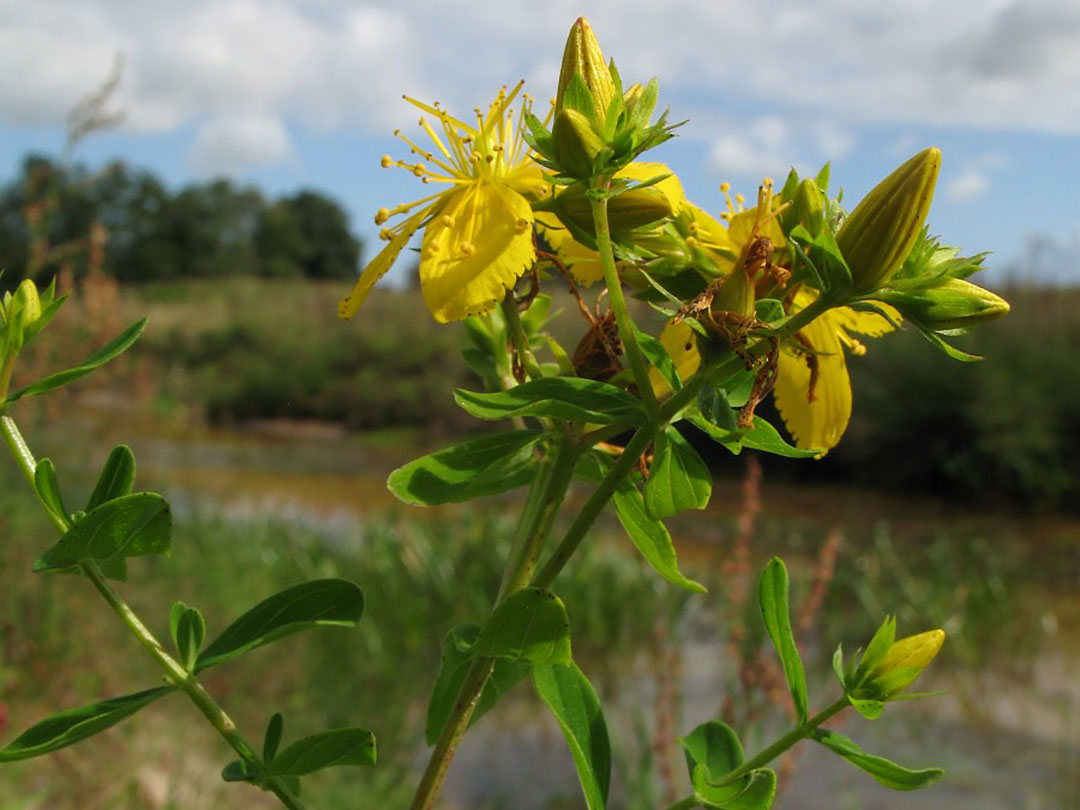
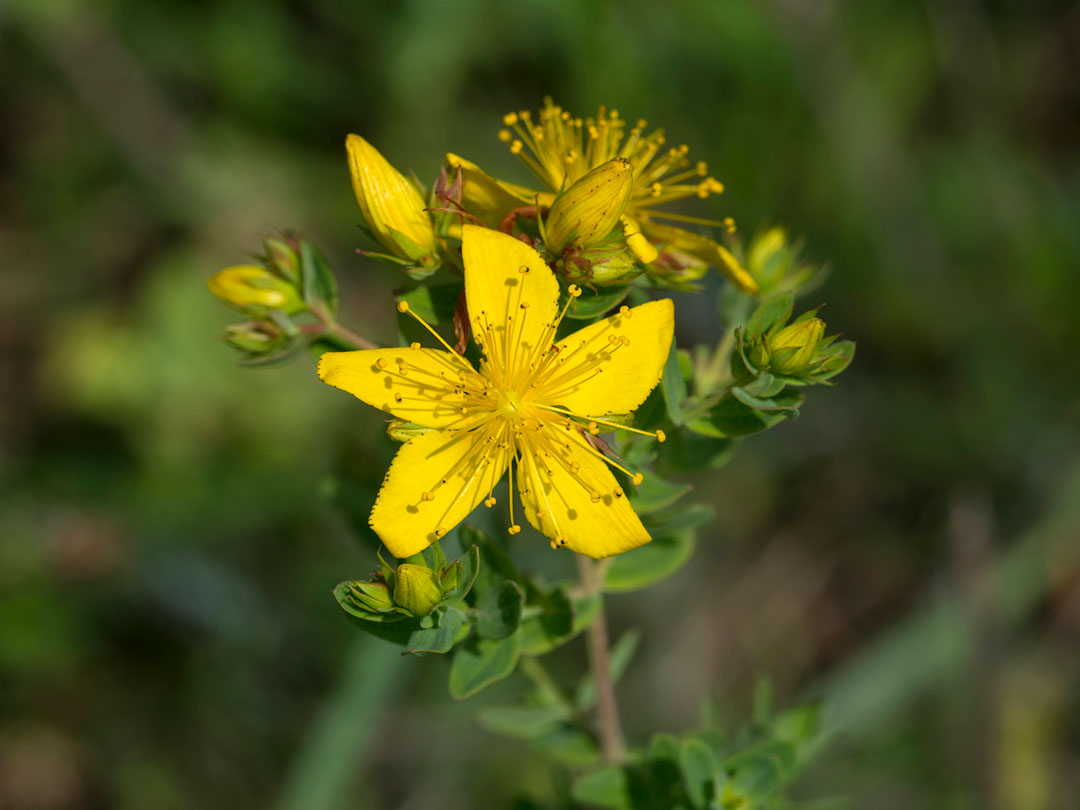
Flower: Also known as Goatweed. Bright yellow, star-shaped flowers with black dots along the petals, blooming from late spring to fall.

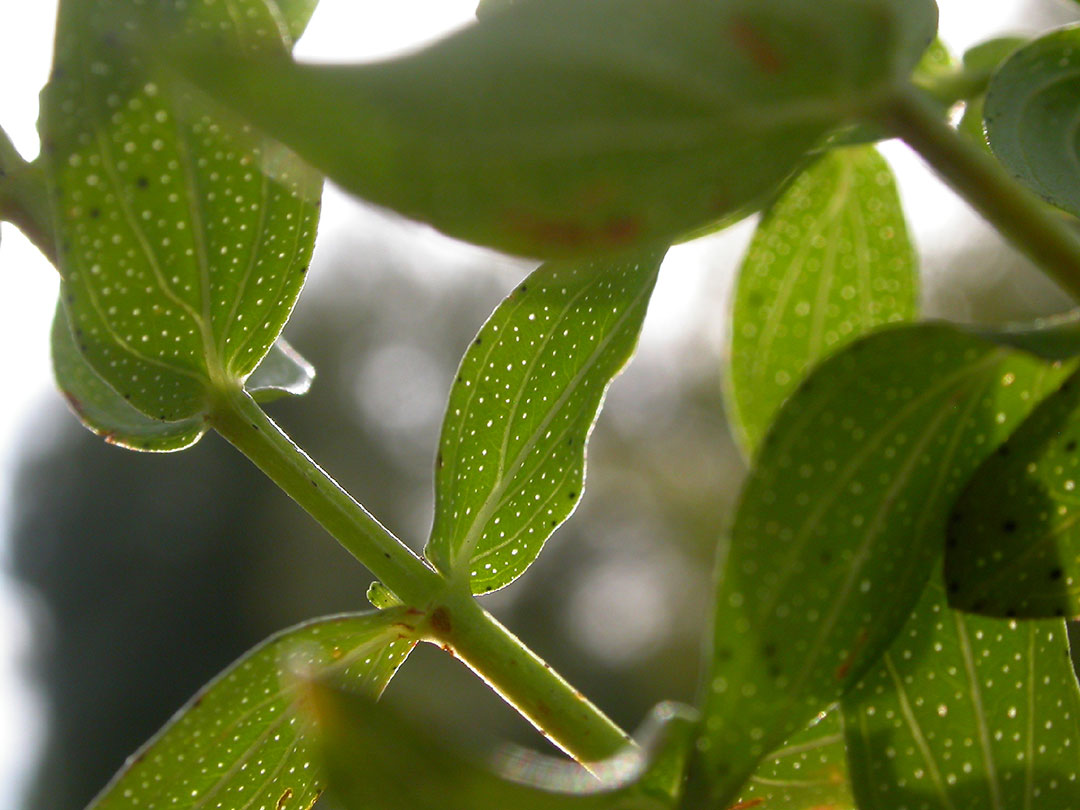
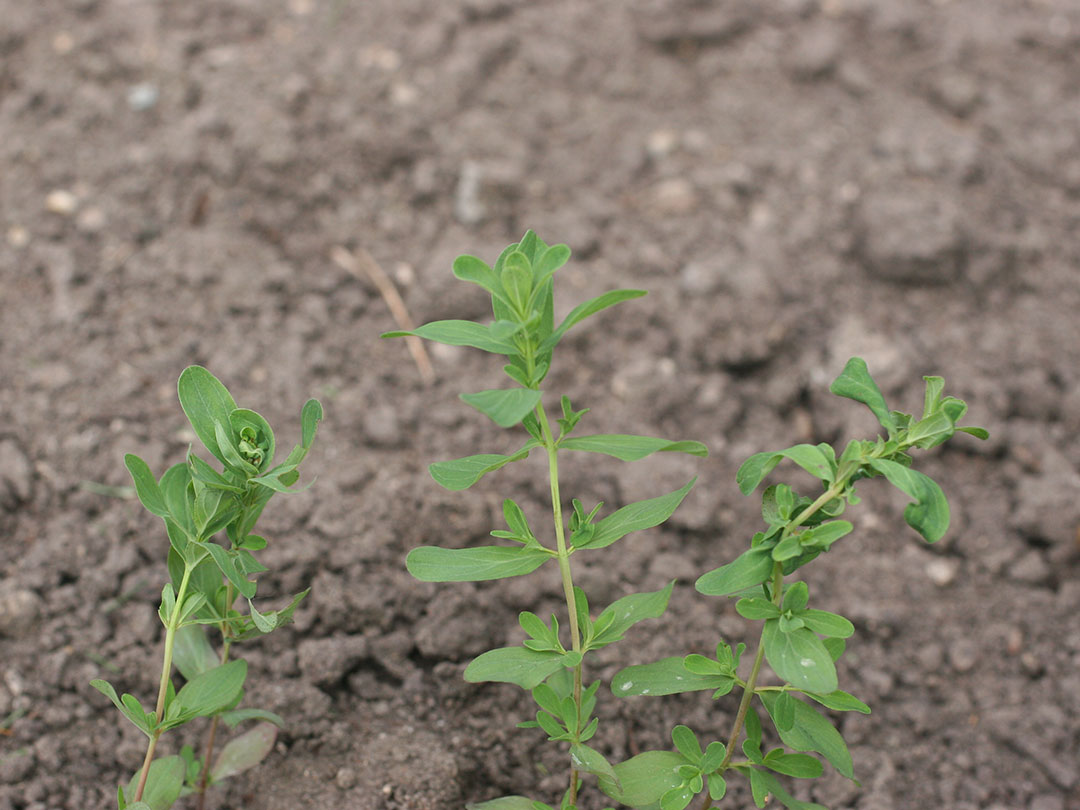
Leaves: Opposite, lance-shaped, and covered with translucent dots.

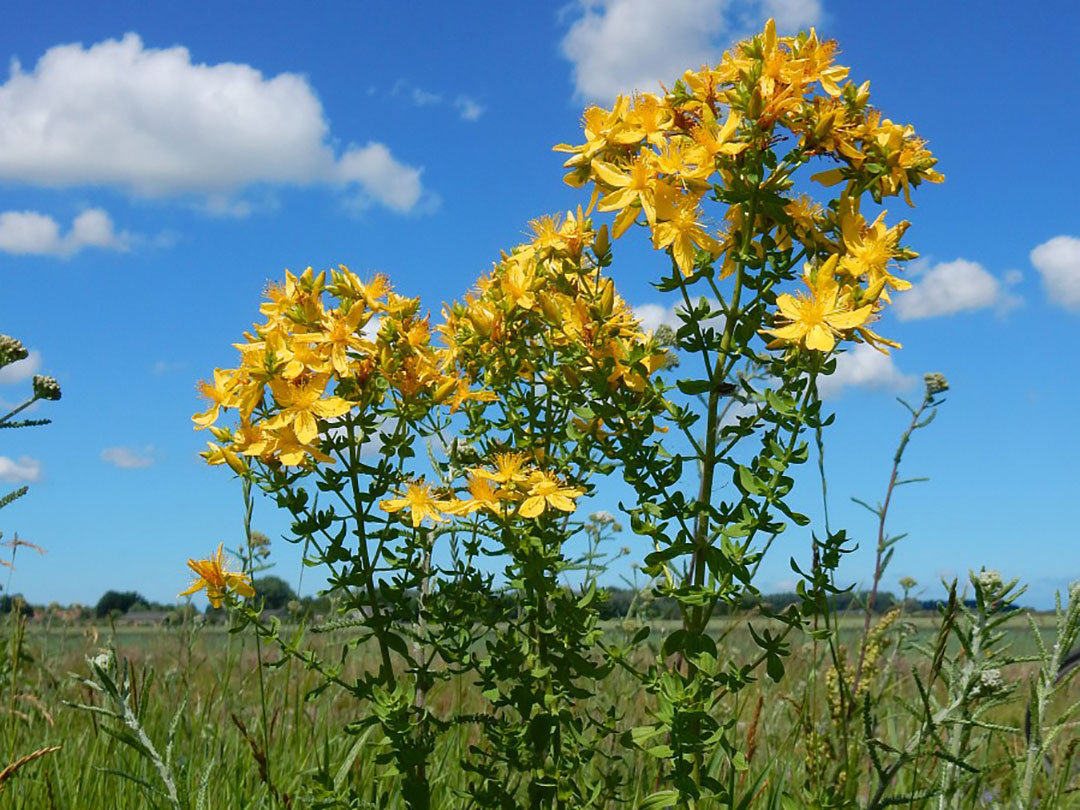
Stems: Erect, branching, and slightly woody at the base, growing up to 90 cm tall.

Growing Environment: Prefers dry, well-drained soils in fields, roadsides, and disturbed areas.

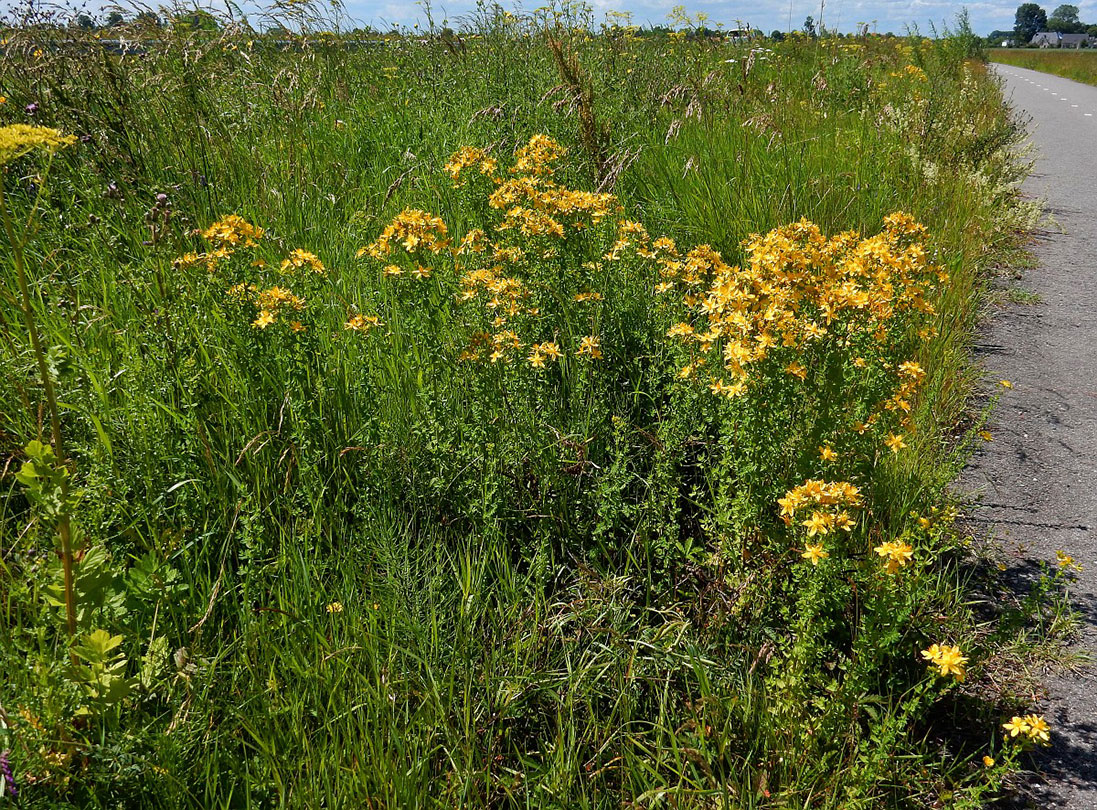
Growth Habit: A perennial herb that spreads via seeds and rhizomes, forming dense clumps. It often creates large, bushy patches in open habitats. In situ, St. John's wort appears as bright yellow patches of flowering plants in fields and along roadsides.

Priority Ranking: High Priority

Impacts on Environment

Impacts: HIghly invasive in disturbed areas and open fields, where it can spread aggressively.

Toxicity: Toxic to livestock (particularly cattle, sheep, and horses) due to hypericin, which causes photosensitization.