REPORT

Invasive Plant Details

Back to Full List

Japanese Butterbur

Latin Name: Petasites japonicus

Priority Ranking: Regional EDRR

Identification

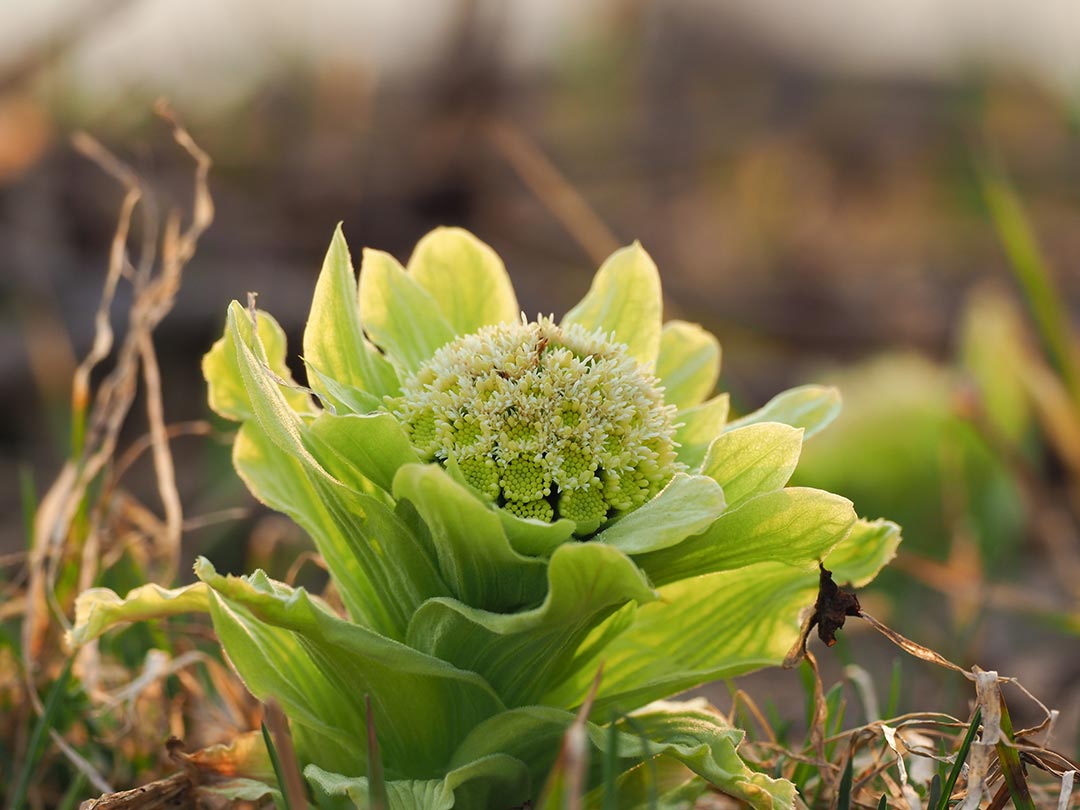
Flower: Small, white or pale greenish-yellow flower clusters that bloom in early spring before the leaves emerge.

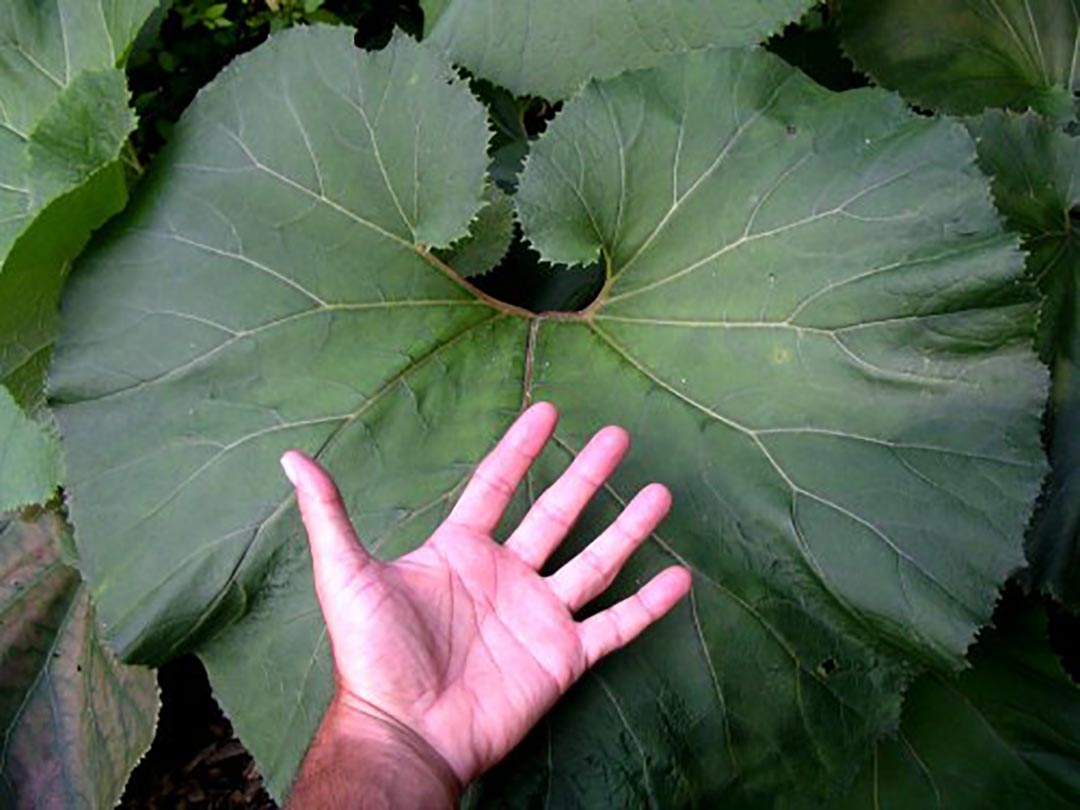
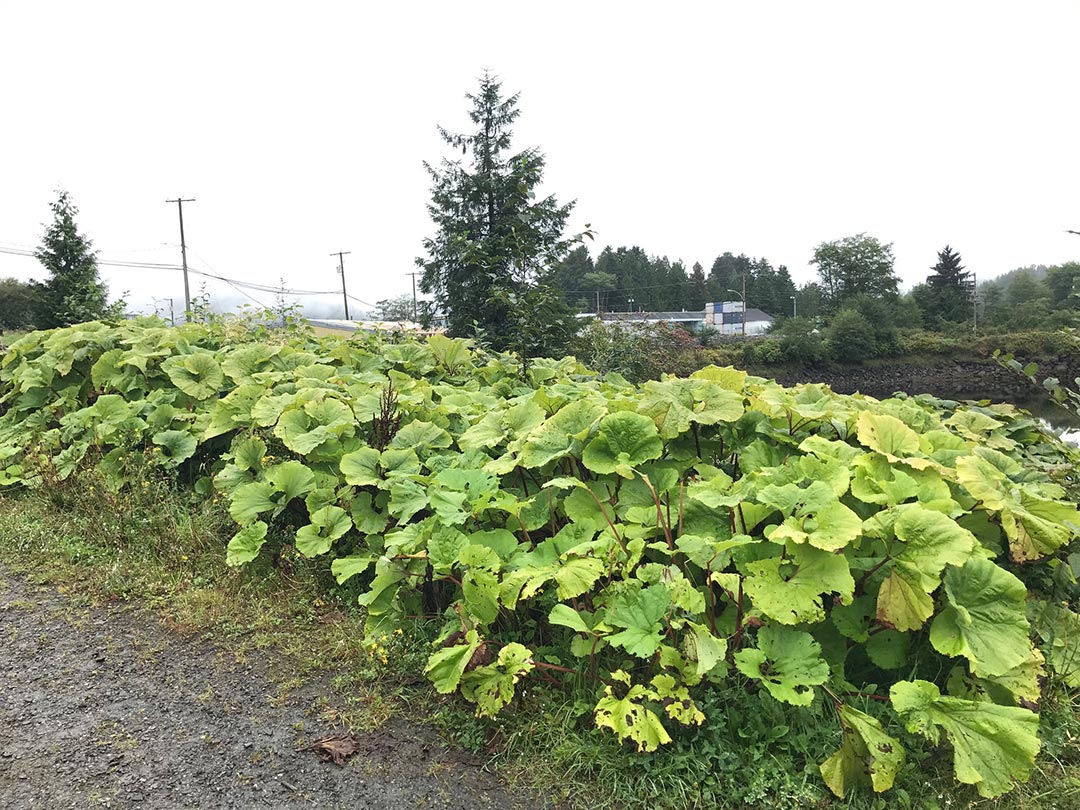
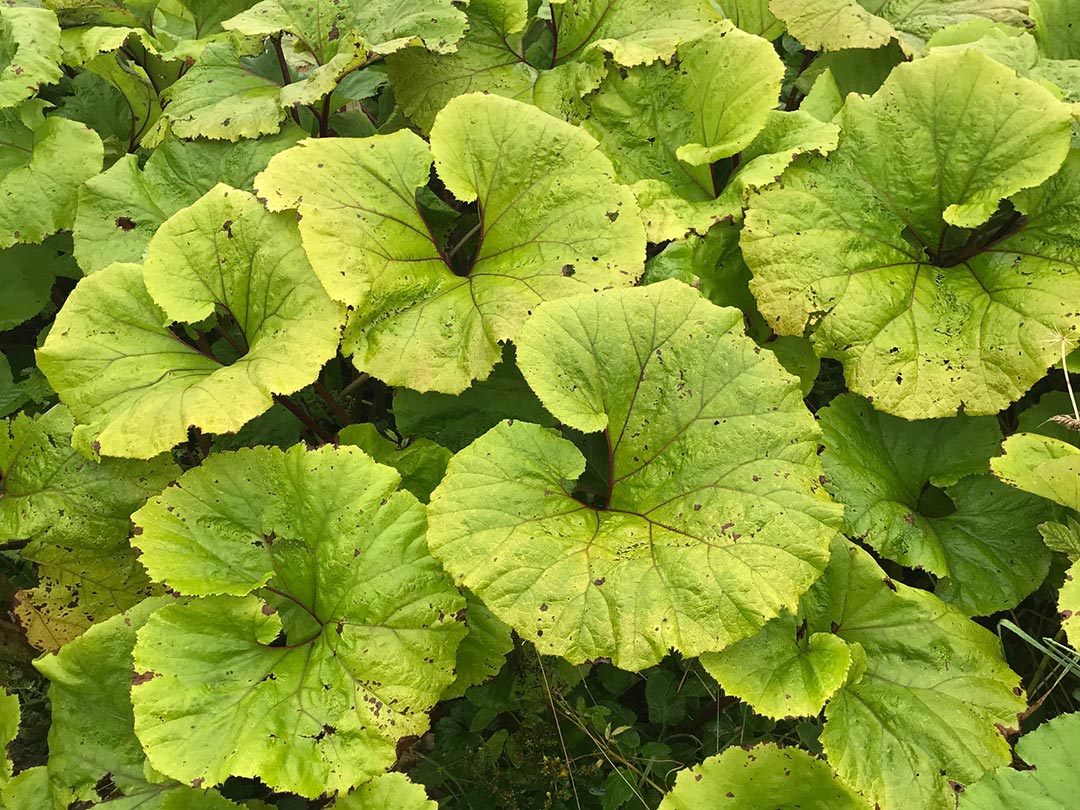
Leaves: Enormous, round, and deeply lobed leaves, often exceeding 1 meter in diameter.

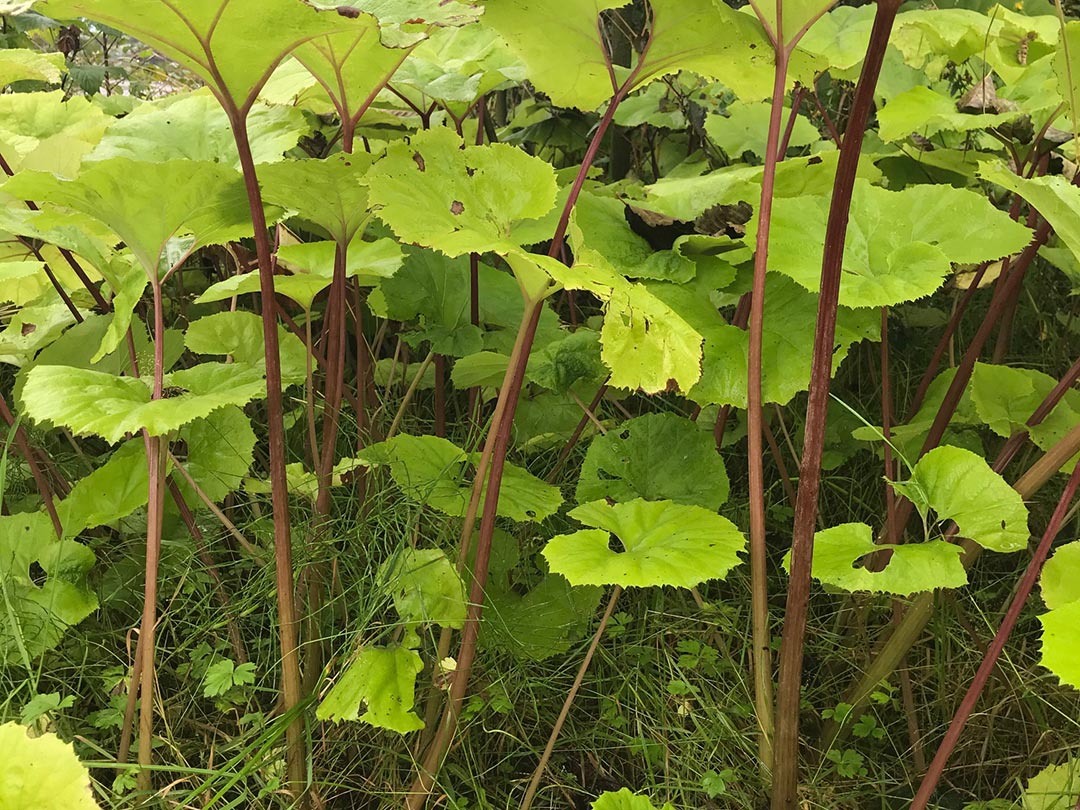
Stems: Thick, fleshy, and short; flowering stems emerge before the leaves.

Growing Environment: Prefers moist, shaded environments, particularly along streambanks, wetlands, and forest edges.

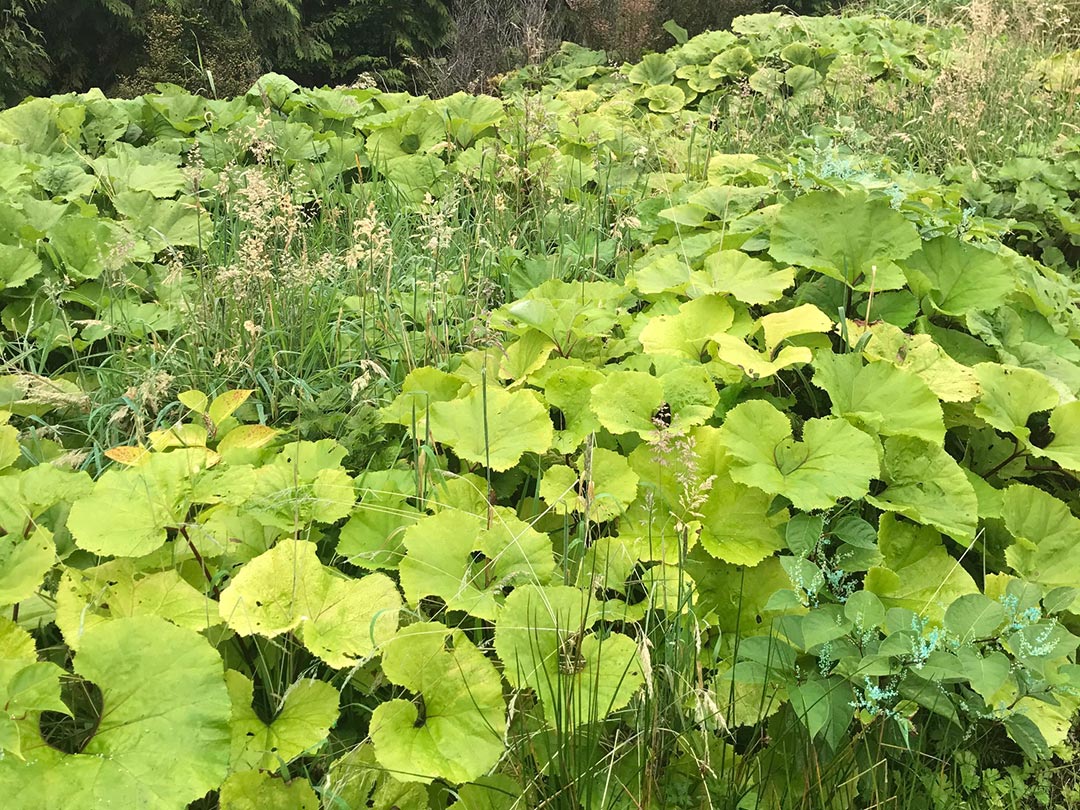
Growth Habit: A perennial herb that spreads rapidly through underground rhizomes, forming dense colonies. It can form large, sprawling patches with massive leaves that shade out other vegetation. In situ, Japanese butterbur creates expansive colonies of large, umbrella-like leaves in moist, shaded areas.

Priority Ranking: Regional EDRR

Impacts on Environment

Impacts: Highly invasive in riparian and wetland areas where it can form dense monocultures.

Toxicity: Potentially toxic if ingested due to the presence of pyrrolizidine alkaloids.