REPORT

Invasive Plant Details

Back to Full List

Himalayan Knotweed

Latin Name: Persicaria wallichii

Priority Ranking: High Priority

Identification

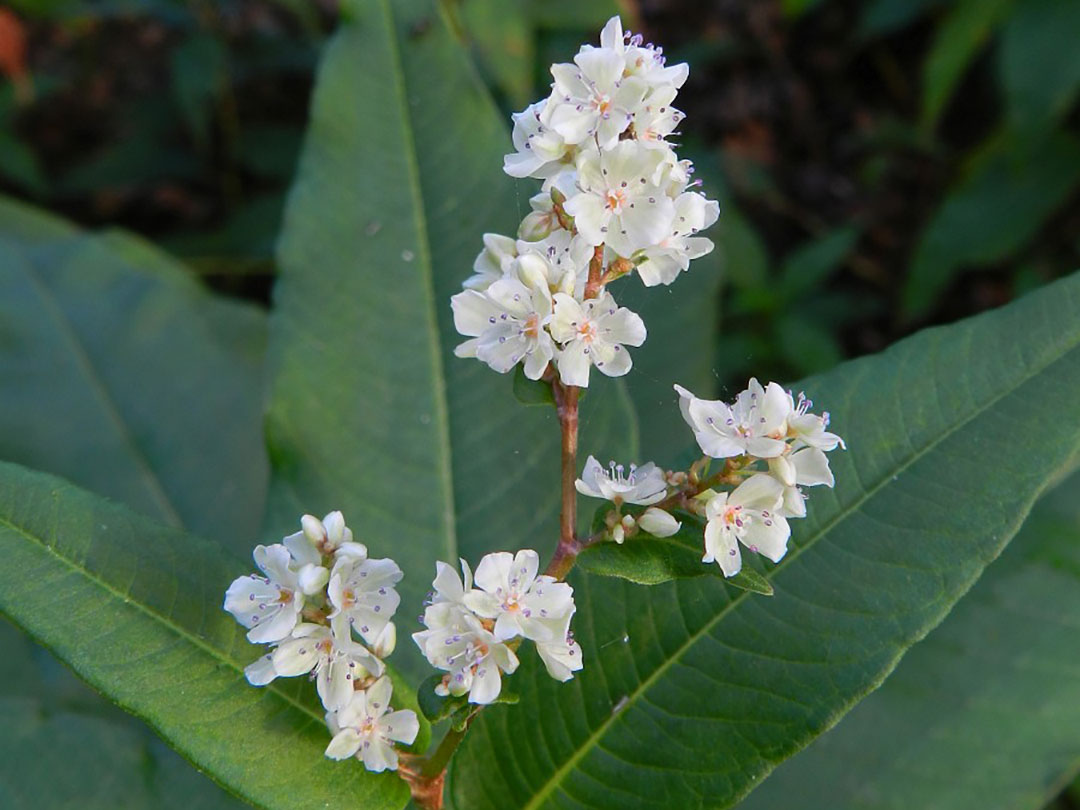
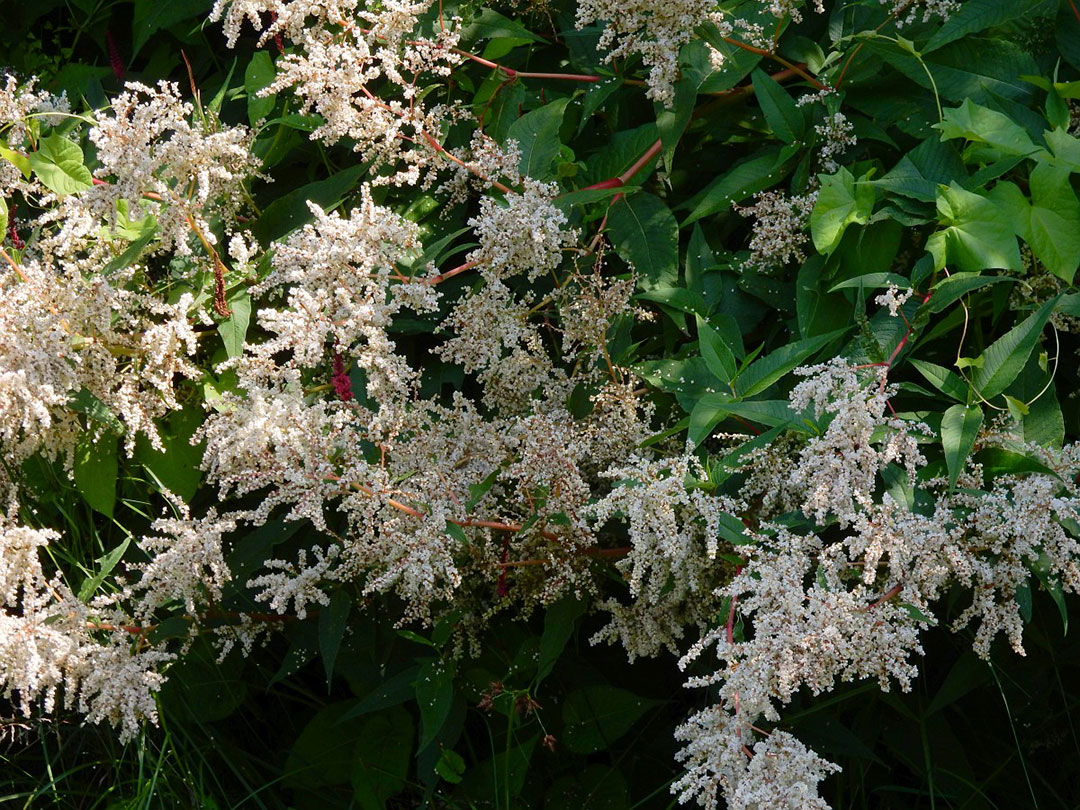
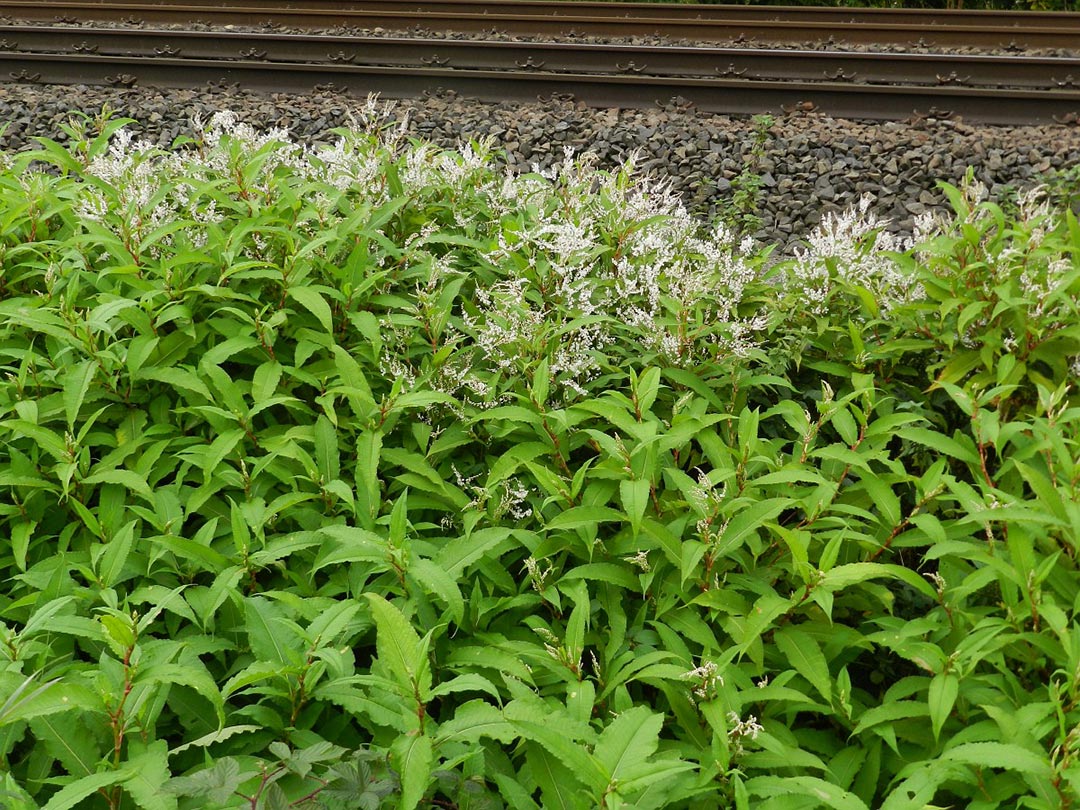
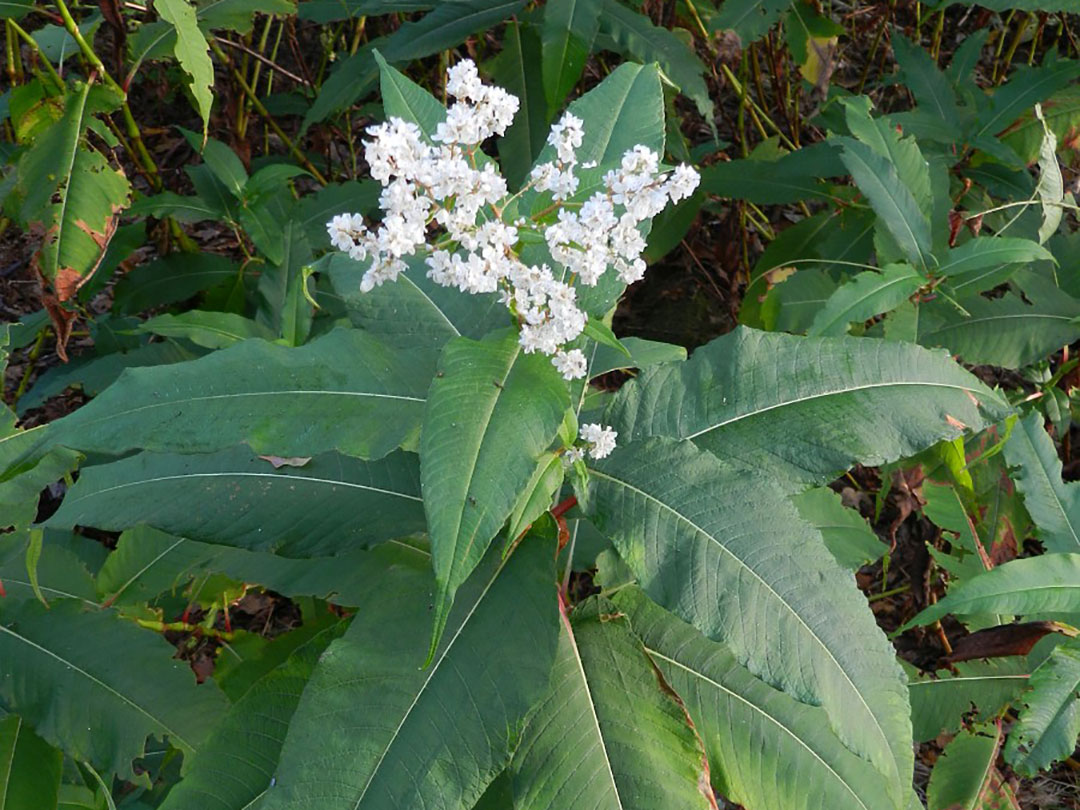
Flower: Small, white to pale pink flowers arranged in dense, elongated, plume-like clusters that bloom from late summer through fall. The flowers form feathery clusters at the ends of stems, adding to the plant's graceful appearance.

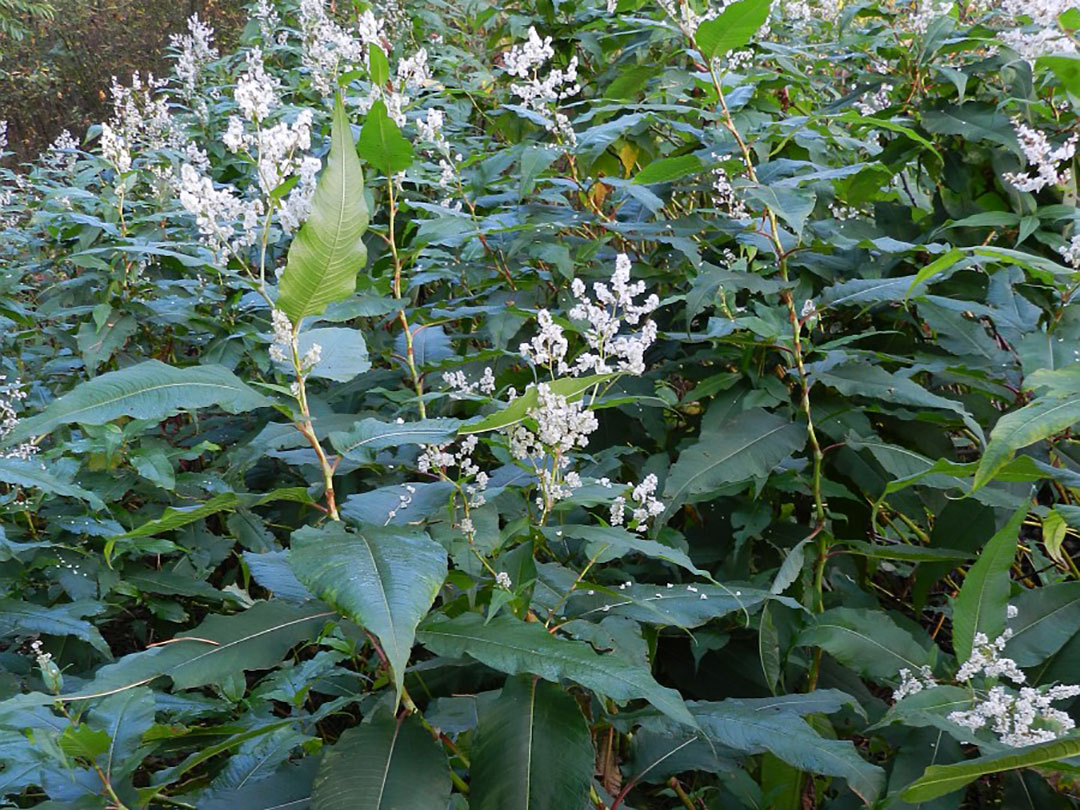
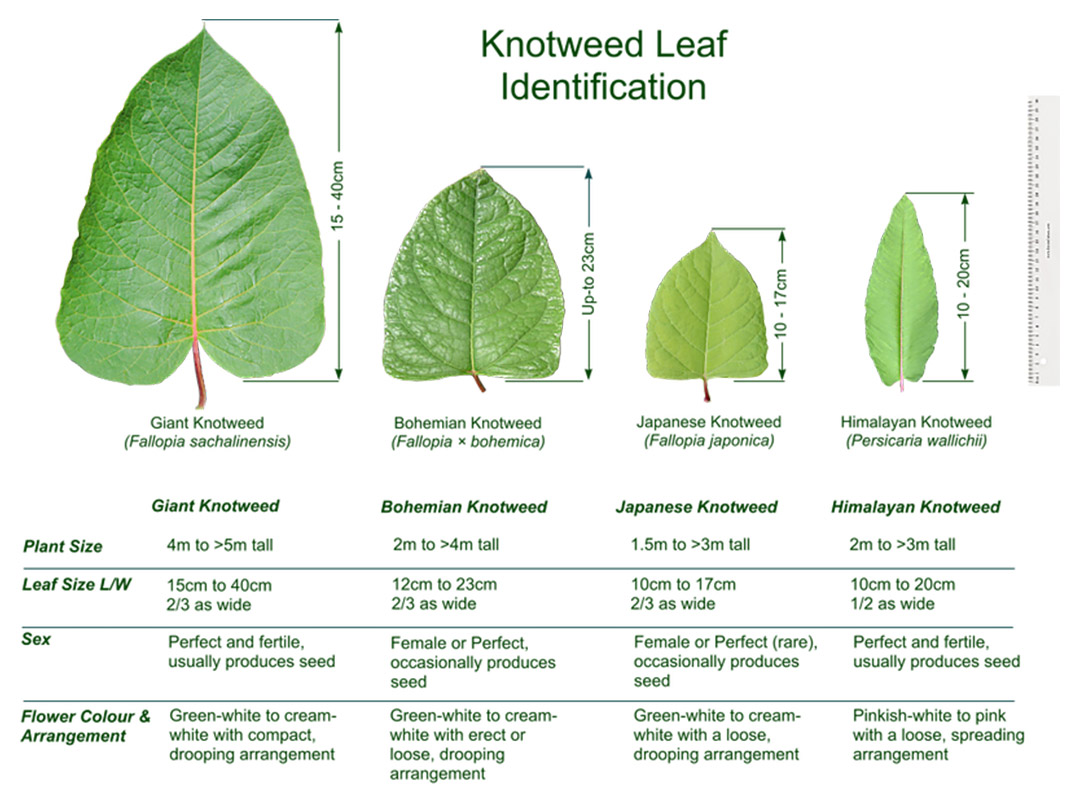
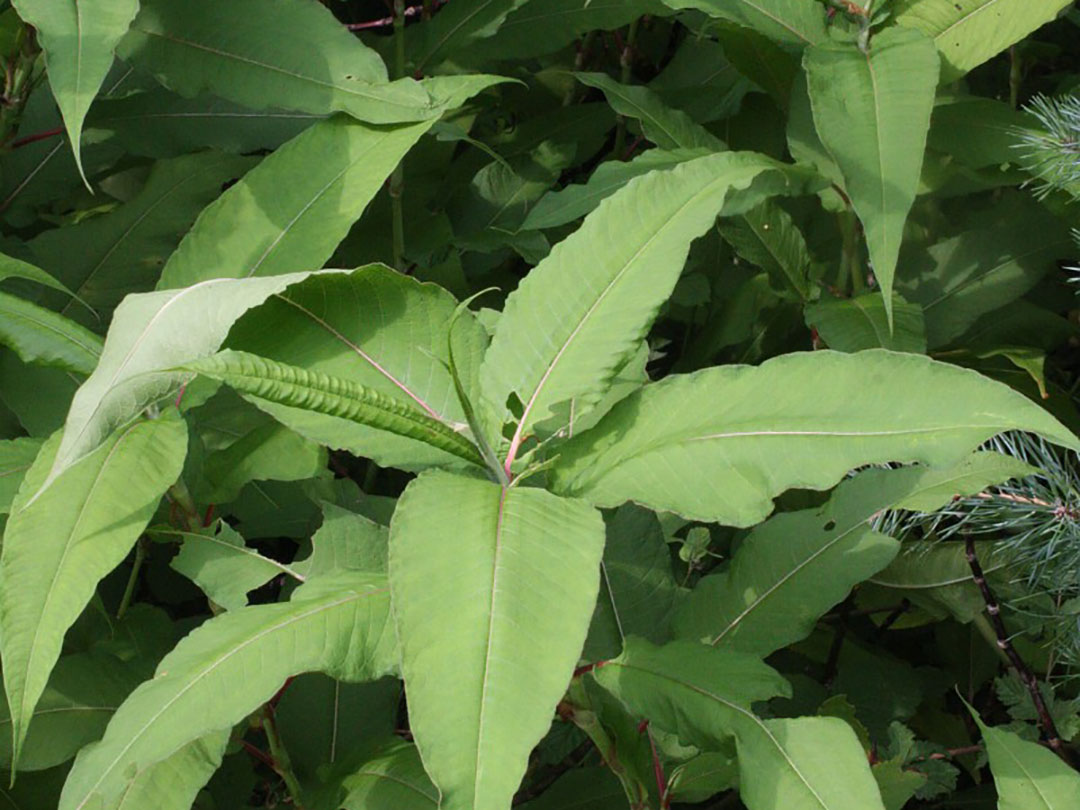
Leaves: Long, lance-shaped to narrowly heart-shaped, with smooth edges and a pointed tip. The leaves are lighter green compared to other knotweed species and can grow up to 20 cm long. They are arranged alternately along the stem, but unlike other knotweeds, the branches do not exhibit a pronounced zigzag pattern.

Stems: Erect, slender, and hollow, with a reddish or greenish tinge. The stems are typically smooth and grow up to 2 meters tall. Unlike the zigzagging branches of Japanese or giant knotweed, the stems of Himalayan knotweed are more upright and linear, often arching gracefully. The plant's stems are thinner and more delicate compared to its larger relatives, contributing to a more open, arching growth habit.

Growing Environment: Prefers moist, well-drained soils and thrives in riparian zones, disturbed areas, roadsides, and forest edges. While it favors wetter environments, it can tolerate a range of soil conditions, including drier areas.

Growth Habit: Himalayan Knotweed is a perennial herbaceous plant that spreads aggressively through rhizomes and seeds. It forms large, dense colonies, creating an expansive ground cover that can outcompete other vegetation. Its growth is characterized by upright, arching stems that spread outward, creating loose thickets. In situ, Himalayan knotweed often dominates open areas, particularly along riverbanks and in disturbed environments, with its tall stems and dense flower clusters providing cover over large patches.

Priority Ranking: High Priority

Impacts on Environment

Impacts: Highly invasive, particularly in riparian zones and disturbed areas. Himalayan knotweed spreads quickly via rhizomes and seeds, forming dense monocultures that displace native plants and reduce biodiversity. It can outcompete native vegetation and disrupt ecosystems, particularly in wetland and riparian areas.

Toxicity: Non-toxic to humans and animals. While not toxic, the plant's aggressive growth can have significant ecological effects, threatening native plants and altering habitats.